
Basic Musicianship Skills for Guitarists
/by Dennis WingeMastering the guitar is about much more than just learning shapes, patterns, and scales. At Guitar Lessons Myrtle Beach, we believe that developing complete musicianship is what sets great guitarists apart from those who only scratch the surface. Musicianship is the integration of ear training, theory, technique, rhythm, and more. It’s about being able to communicate fluently with your instrument in any context—whether you’re jamming with a band, reading a chart, performing solo, or composing your own music.
In this comprehensive guide, we’ll break down the essential musicianship skills every guitarist should develop, from the basics to more advanced areas that support well-rounded musicianship. We’ll explore practical ways to build these skills and explain why each area matters on your journey as a guitarist.
I. Ear Training
Developing your ear is one of the most powerful things you can do as a musician. Ear training helps with improvisation, composition, transcription, playing by ear, and connecting deeply to the music you’re performing.
- Interval Recognition: Learn to identify distances between notes by ear.
- Chord Quality Identification: Distinguish between major, minor, diminished, augmented chords.
- Chord Progression Recognition: Recognize common sequences like I-IV-V, ii-V-I.
- Melodic Dictation: Practice transcribing melodies by ear.
- Harmonizing Melodies: Develop harmonies that support and enhance the melody.
- Transposing by Ear: Shift melodies or progressions to different keys on the fly.
II. Rhythm & Timing
Great timing is the foundation of all ensemble playing. Solid rhythm allows you to connect with other musicians and make your playing feel alive.
- Strumming Patterns: Master downstrokes, upstrokes, syncopation.
- Smooth Chord Changes: Make transitions seamless and musical.
- Keeping Time: Develop an internal pulse and play with a metronome.
- Rhythmic Accuracy in Melodies: Learn how to place single notes precisely.
- Time Signatures: Understand and interpret 4/4, 3/4, 6/8, 5/4, and more.
- Playing in Different Styles: Adapt your rhythm to genres like rock, funk, jazz, reggae.
III. Technique
Technique allows you to express your musical ideas clearly and beautifully. While flashy skills aren’t everything, having good technique is non-negotiable for solid musicianship.
- Hand Positioning: Build ergonomic, efficient finger placement.
- Picking Techniques: Explore alternate, economy, hybrid, and fingerstyle picking.
- Fretting and Pressure: Play clean notes with just the right amount of pressure.
- Legato Techniques: Hammer-ons, pull-offs, slides for fluid phrasing.
- Bending and Vibrato: Add character and emotion to your notes.
- Palm Muting, Tapping, Sweep Picking: Expand your expressive and stylistic options.
IV. Music Theory
Music theory empowers you to understand what you’re playing and why it works. It supports improvisation, songwriting, and analysis.
- Intervals and Chords: Learn how to build and name intervals, triads, and extended chords.
- Chord Progressions: Understand functional harmony (e.g., tonic, subdominant, dominant).
- Key Signatures and Modes: Learn how scales define tonal centers and moods.
- Cadences and Tension-Resolution: Use harmonic movement to create musical storytelling.
- Song Form and Structure: Analyze the architecture of songs and compositions.
V. Fretboard Theory
Understanding the fretboard helps you unlock the entire instrument—not just familiar shapes or keys.
- Note Names: Memorize notes across all strings.
- Scale Patterns: Learn multiple fingerings for major, minor, pentatonic, and modal scales.
- Arpeggios: Outline chord tones in any position.
- Chords Across the Neck: Learn inversions, extensions, and voicings across the fretboard.
- Visualization: Connect patterns horizontally and vertically for true fretboard fluency.
VI. Sight Reading
Reading music opens doors to a broader repertoire and better communication in professional settings.
- Standard Notation: Read melodies, chords, and rhythms from sheet music.
- Rhythmic Notation: Interpret complex rhythms accurately.
- Charts and Lead Sheets: Understand chord symbols and roadmaps.
VII. Repertoire
Building a repertoire is about more than memorizing songs—it’s your musical vocabulary.
- Learn Full Songs: Commit to learning songs start to finish.
- Iconic Riffs and Solos: Develop vocabulary in your chosen genre.
- Cross-Genre Exploration: Learn jazz, classical, blues, rock, pop, folk.
- Study Genre History: Understand the pioneers and evolution of musical styles.
VIII. Emotional Expression
Music is a language of emotion. The best players don’t just play notes—they communicate feelings.
- Phrasing: Shape lines dynamically with space, articulation, and motion.
- Dynamics: Vary volume to create intensity and contrast.
- Tone Control: Use your fingers, pick, or gear to change your sound.
- Storytelling: Play with intent, and connect emotionally to the material.
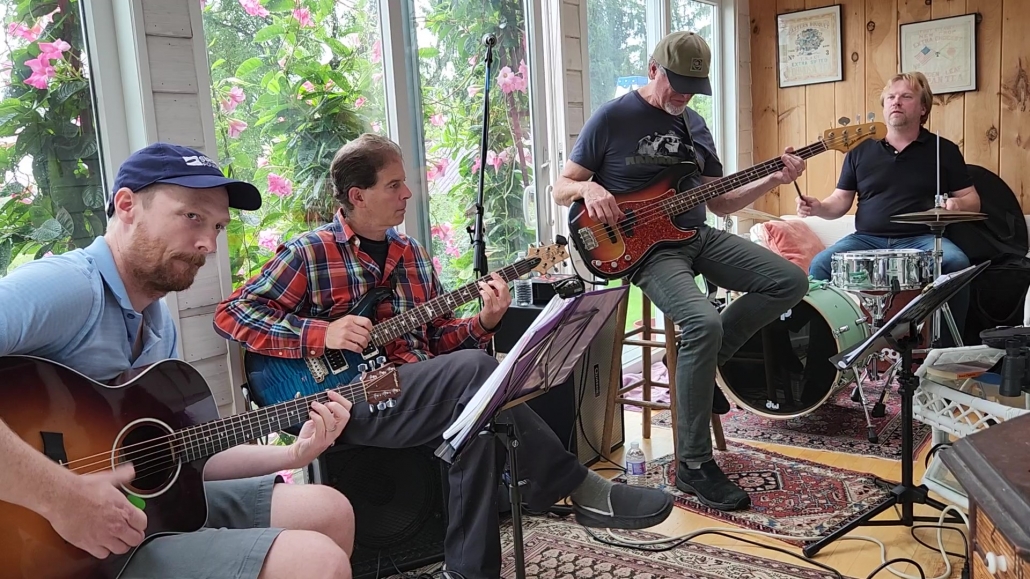
IX. Ensemble Skills
Playing with others demands awareness, listening, and adaptability.
- Active Listening: Respond to bandmates in real time.
- Role Awareness: Know when to lead, support, or leave space.
- Cueing: Signal changes with body language or visual cues.
- Groove Locking: Stay in time with the rhythm section.
- Arrangement: Know when to simplify or embellish based on context.
X. Performance Skills
Great performers command the stage with confidence and polish.
- Stage Presence: Use body language and eye contact to connect with the audience.
- Recovery: Learn to stay calm when mistakes happen.
- Equipment Management: Handle gear like a pro.
- Communication: Speak to the audience with clarity and sincerity.
- Expressiveness: Perform with feeling, conviction, and energy.
XI. Creativity & Improvisation
Improvisation and creativity are core components of modern musicianship.
- Improvising with Scales, Arpeggios, Motifs: Use theory in real time.
- Songwriting: Compose riffs, progressions, and full songs.
- Effects and Sound Design: Use pedals and amps creatively.
- Genre-Bending: Fuse styles to create your own voice.
XII. Other Important Skills
To round out your musicianship, it’s helpful to explore beyond traditional practice.
- Music Production: Learn basic recording and mixing.
- Guitar Maintenance: Know how to change strings and set up your guitar.
- Teaching and Communication: Share your knowledge with clarity.
- Music Business: Understand how to promote, publish, and protect your music.
- Cultural Context: Study the roots of the styles you love.
Conclusion
Musicianship is not just about becoming a skilled guitarist—it’s about becoming a complete musician. At Guitar Lessons Myrtle Beach, we help students build well-rounded musicianship from the ground up. Whether you’re a beginner learning open chords or an advanced player tackling jazz harmony, these skills will support every step of your journey.
Remember: musicianship isn’t built overnight. It takes patience, persistence, and passion. But the rewards—confidence, expression, and connection through music—are worth every moment of effort. Wherever you are in your guitar journey, these musicianship skills will light the path forward.
Ready to build your musicianship? Schedule your free trial lesson today at Guitar Lessons Myrtle Beach! Fill out this form and we’ll respond within 24 hours.

